Vaginal atrophy, medically known as genitourinary syndrome of menopause, affects many women following menopause. It occurs when declining oestrogen levels cause thinning and dryness of the vaginal tissue. These changes can lead to discomfort, itching, burning, and pain during intimacy, often affecting a woman’s confidence and quality of life.

Among the most effective treatments for this condition are the Mona Lisa Touch, a gentle laser therapy, and topical oestrogen creams. While both aim to restore comfort and vaginal health, they differ in how they work and who they are best suited for. Understanding these differences matters because the right choice depends on your individual health history, preferences, and specific symptoms.

This article explores the effectiveness, indications, and safety considerations of both treatments, helping you make an informed decision on which option best fits your needs.

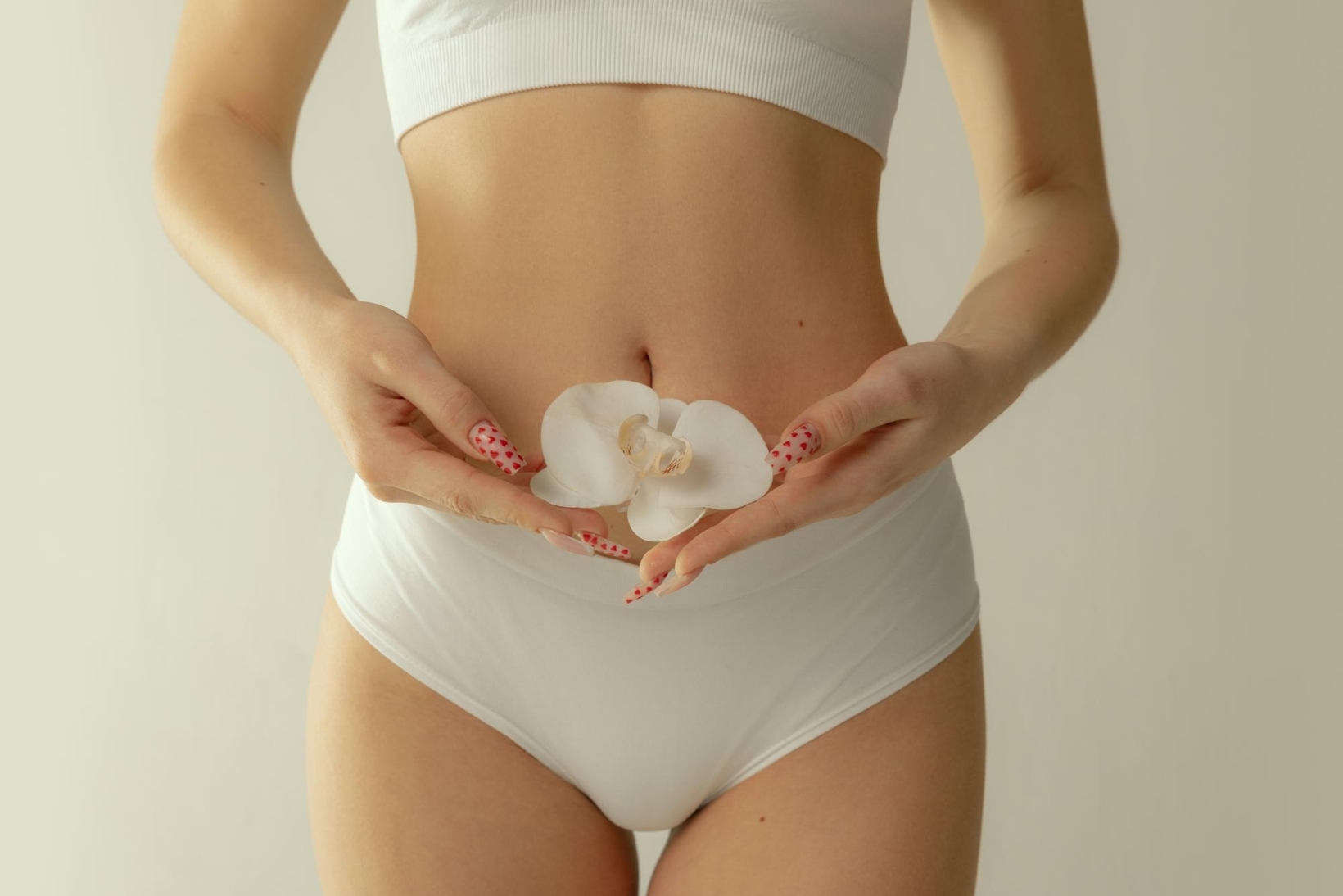
A woman wearing white undergarments holding a white orchid flower near her lower abdomen with both hands.

Understanding Vaginal Atrophy and Why It Matters

Many women experience vaginal atrophy, irritation, or discomfort after menopause but hesitate to discuss these symptoms openly. These changes can profoundly affect confidence, intimate relationships, and daily comfort. Simple activities like walking, exercising, or sitting for extended periods can become uncomfortable, whilst intimacy may become painful or impossible.

The underlying cause is straightforward: as oestrogen levels decline during and after menopause, the vaginal tissue becomes thinner and less lubricated. The vaginal walls lose their natural elasticity and moisture, leading to a range of uncomfortable symptoms that can significantly impact quality of life.

The good news is that these changes are entirely normal, and effective treatments exist. You do not have to accept discomfort as an inevitable part of ageing. Two popular and effective options are Mona Lisa Touch laser therapy and topical oestrogen preparations, each offering unique benefits suited to different women and circumstances.

Mona Lisa Touch vs Oestrogen Cream – Understanding Your Options

Both treatments aim to restore vaginal health and comfort, but they work through different mechanisms. Understanding how each option functions will help you appreciate which might suit your particular situation.

What Is the Mona Lisa Touch?

The Mona Lisa Touch is a fractional CO₂ laser treatment for vaginal atrophy that rejuvenates vaginal tissue by stimulating collagen production and improving moisture and elasticity. The procedure uses gentle laser energy to promote tissue regeneration from within, encouraging the body to naturally restore the vaginal lining.

Treatment typically involves three short sessions spaced 4-6 weeks apart, with each session lasting just a few minutes. Most women experience minimal downtime and can return to normal activities quickly. The therapy helps relieve vaginal dryness, irritation, and painful intercourse, and may also support mild stress incontinence symptoms.

The main advantages include being hormone-free, offering regenerative benefits, and providing long-lasting results that can persist for a year or more. However, the treatment comes with a higher cost compared to topical options, limited insurance coverage in many cases, and fewer long-term studies compared to traditional hormone therapy.

What Is a Topical Oestrogen Cream?

A topical oestrogen cream is a prescription medication that contains oestrogen, such as estradiol or conjugated oestrogens. It is applied directly to the vaginal walls to restore tissue thickness, moisture, and pH balance. By replenishing local oestrogen levels, it improves lubrication, reduces inflammation, and relieves irritation or burning sensation.

Topical oestrogen creams are widely used for menopause-related vaginal dryness, itching, and discomfort. They are highly effective, affordable, and supported by decades of clinical research. However, they may not be suitable for women with hormone-sensitive conditions, and they require ongoing application for sustained benefit.

Clinical evidence supports their efficacy: the VeLVET Trial found that both laser and oestrogen therapy produced comparable improvements in vaginal dryness after 6 months, with similar satisfaction rates among participants.

How Do They Compare?

Both treatments share the same ultimate goal: to restore vaginal comfort and tissue health. However, they achieve this through fundamentally different mechanisms.

Mona Lisa Touch regenerates tissue naturally without introducing hormones into the body. It works by stimulating the body’s own healing processes, encouraging collagen production and improved blood flow to the vaginal tissues. This makes it particularly appealing for women who cannot or prefer not to use hormonal treatments.

Oestrogen cream, by contrast, directly restores hormonal balance in the vaginal lining. It addresses the underlying oestrogen deficiency that causes vaginal atrophy, replenishing what the body no longer produces naturally after menopause.

The choice between these options often comes down to individual circumstances. Laser therapy may suit women who need to avoid hormones due to medical history or personal preference. Oestrogen cream may appeal to women who prefer a simpler, well-established treatment option with extensive research backing.

Studies show that both treatments can significantly reduce dryness and discomfort. The decision ultimately depends on your individual needs, health history, lifestyle preferences, and budget considerations.

Comparing Indications and Patient Suitability

When choosing between the Mona Lisa Touch and topical oestrogen cream, it helps to look beyond the science and consider lifestyle, comfort preferences, and personal medical history. Each treatment has its strengths and most times they can work well together with remarkable outcomes.

Mona Lisa Touch may suit:

  • Women who avoid hormones or with hormone-sensitive conditions, such as a history of breast cancer.
  • Those preferring a non-hormonal, regenerative treatment that supports the body’s natural healing and improves vaginal tissue function.

Topical Oestrogen Cream may suit:

  • Women without contraindications to hormonal therapy.
  • Those looking for an easy-to-use, and more affordable solution that can be applied in the comfort of their own home.

Other factors worth considering include the severity of vaginal atrophy, previous gynaecological surgeries, urinary symptoms, and overall budget. When performed or prescribed under specialist supervision, both treatments are considered safe, effective, and capable of restoring comfort and confidence.

An older woman and an adult woman smiling closely together, embracing and looking happily at the camera.

What the Research Says

Research comparing these treatments continues to grow. Studies including the VeLVET Trial have found similar improvements in vaginal dryness and overall comfort with both laser therapy and oestrogen cream. Whilst oestrogen cream showed slightly better improvements in vaginal cell maturation indices, laser therapy offered meaningful symptom relief without hormonal intervention, which many women valued highly.

Both treatments are considered safe and effective when prescribed and monitored by experienced specialists. The evidence supports choice rather than suggesting one universally superior option. This is reassuring: it means that treatment can be genuinely personalised to your situation rather than following a one-size-fits-all approach.

A smiling older woman stretching and relaxing, with her hands behind her head, wearing a light cardigan.

How Modern Therapies Improve Women’s Intimate Health and Aesthetics

The field of women’s intimate health has evolved rapidly, offering advanced therapies that combine medical precision with minimal discomfort. Modern approaches are increasingly being used together to enhance tissue healing and comfort. These techniques not only relieve symptoms but also improve hydration, elasticity, and overall vaginal tone, contributing to both functional and aesthetic rejuvenation.

Beyond these, other minimally invasive methods, such as laparoscopic gynaecological surgeries or the LLETZ procedure, demonstrate how medicine now prioritises recovery with minimal scarring and disruption. In the realm of intimate aesthetics, therapies like Mona Lisa Touch and sexual rejuvenation treatments help women feel more confident in their bodies, restoring comfort, balance, and self-assurance.

Expert Insight from London Women’s Centre

At London Women’s Centre, we offer a comprehensive range of gynaecological treatments and provide personalised consultations to help you choose the option best suited to your individual needs and circumstances.

We take a multidisciplinary approach, combining expertise in gynaecology, urogynaecology, hormone health, and laser therapy. This ensures that treatment decisions are made within a holistic framework rather than in isolation, taking into account your complete medical history, lifestyle, and personal preferences.

We help you navigate both the latest scientific research and real-life considerations, ensuring every decision is informed, safe, and tailored to you as an individual. Whether you are considering Mona Lisa Touch, topical oestrogen therapy, or exploring other treatment options, our expert guidance can help you find the approach that best supports your health and well-being.