Pregnant woman sitting comfortably on a bed, smiling gently while resting her hand on her baby bump in a bright, minimalist bedroom.

Because the condition varies so significantly from person to person, we believe that treatment must be equally individualised.

Our approach focuses on understanding your specific symptoms, health goals and personal circumstances to develop a management plan that addresses your unique needs. Whether you are seeking support for hormonal symptoms, metabolic health, fertility or a combination of concerns, our team is committed to providing evidence-based care tailored to you.

See a Consultant

What Is PCOS?

Polycystic Ovary Syndrome is a complex endocrine disorder characterised by hormonal imbalance and metabolic dysfunction. The condition typically involves elevated levels of androgens, which are male hormones present in small amounts in women, alongside disrupted ovulation and often the presence of multiple small cysts on the ovaries.

However, not all women with PCOS will have ovarian cysts, and not all will experience the same hormonal profile. The syndrome also frequently involves insulin resistance, which can affect weight regulation and increase the risk of metabolic conditions over time. Because PCOS encompasses such a broad spectrum of hormonal and metabolic features, it requires a personalised treatment approach.

What works effectively for one individual may not be appropriate for another, which is why we assess each case individually and develop treatment plans based on your specific presentation, symptoms and long-term health objectives.

Common Symptoms of PCOS

Women with PCOS may experience a range of symptoms, many of which are related to hormonal imbalance. Irregular or absent menstrual cycles are among the most common presentations, often resulting from ovulatory dysfunction where the ovaries do not release eggs regularly.

Signs of androgen excess may include unwanted hair growth on the face or body, acne and thinning hair on the scalp. Many women also experience changes in weight, which can be difficult to manage due to underlying insulin resistance. This insulin resistance not only affects metabolism but can also contribute to an increased risk of type 2 diabetes and cardiovascular concerns if left unaddressed.

Three women of different backgrounds smiling and leaning close together, sharing a joyful moment in a bright studio setting.

Our Approach to PCOS Treatment

Our treatment philosophy is centred on your individual symptoms and personal health goals. We do not adopt a one-size-fits-all approach. Instead, we combine medical interventions, lifestyle modifications and supportive therapies to create a comprehensive management plan that evolves with your needs.

Treatment may involve hormonal regulation, metabolic support, fertility assistance or a combination of these elements, depending on what matters most to you at this stage of your life. We also recognise that PCOS is a lifelong condition, and our care reflects this understanding. Regular review appointments allow us to monitor your progress, assess the effectiveness of your treatment plan and make adjustments as necessary to ensure that your care remains relevant and responsive.

Non-Hormonal Treatment Options

Non-hormonal approaches support hormonal regulation and metabolic health without the use of hormonal medication. For many women with PCOS, these measures provide an important foundation for long-term management and symptom control.

Nutrition and Lifestyle Recommendations

Nutrition plays a vital role in managing PCOS, particularly for women experiencing insulin resistance or metabolic concerns. A balanced diet that supports stable blood sugar levels can help regulate hormones and improve overall well-being.

We provide guidance on nutritional choices that are sustainable and realistic, avoiding restrictive approaches that are difficult to maintain long-term. Physical activity is equally important, not only for weight management but also for improving insulin sensitivity and supporting cardiovascular health.

Supplement Support

In some cases, targeted supplementation may support hormonal balance and metabolic function. Supplements such as inositol, vitamin D and omega-3 fatty acids have been studied in the context of PCOS and may offer benefits for certain individuals.

However, we approach supplementation with caution, ensuring that any recommendations are evidence-based and appropriate for your specific needs. All supplement use is discussed and monitored as part of your overall treatment plan.

Hormonal Treatment Options

Hormonal treatments are often used to regulate menstrual cycles, reduce androgen-related symptoms and support overall hormonal balance. Depending on your symptoms and goals, we may recommend hormonal preparations such as combined oral contraceptives or other hormone-regulating medications.

These treatments can help manage irregular periods, reduce acne and unwanted hair growth, and provide contraceptive benefits where needed. We carefully consider individual risk factors, medical history and personal preferences when recommending hormonal therapies, ensuring that each option is safe and suitable for you.

Ovulation Induction

For women seeking to conceive, ovulation induction may be an appropriate treatment option. This involves the use of medications to stimulate the ovaries and encourage regular ovulation. Ovulation induction is carefully monitored through blood tests and ultrasound scans to ensure safety and optimise the chances of successful conception. This treatment is integrated into a broader management plan that addresses your overall reproductive health and well-being.

Weight Management Support

Weight regulation can be particularly challenging for women with PCOS due to underlying insulin resistance and metabolic factors. Where appropriate, we may offer medically supervised support for weight management, including the use of medications that can assist with weight loss when lifestyle changes alone are insufficient.

Our focus is always on health-centred outcomes rather than aesthetic goals, prioritising improvements in metabolic health, symptom management and overall quality of life.

See a Consultant

Group of women standing side by side wearing neutral-toned underwear, highlighting natural body shapes and skin textures.

What to Expect During Your Consultation

Your initial consultation will involve a thorough review of your medical history, symptoms and any previous investigations or treatments. We will discuss your diagnostic results, including hormone levels and imaging findings, and explain what these mean in the context of PCOS. Together, we will explore the available treatment options and discuss which approaches may be most suitable for your individual circumstances. By the end of your consultation, you will have a clear understanding of your condition and a personalised management plan designed to support your health goals.

Why Choose London Women’s Centre for PCOS Treatment?

We have extensive experience in managing PCOS across a wide range of presentations, from mild symptoms to more complex cases. Our approach is rooted in evidence-based medicine and tailored to each individual, ensuring that you receive care that is both effective and relevant to your needs. We take an integrated view of women’s health, addressing not only your immediate symptoms but also your long-term wellbeing and quality of life.

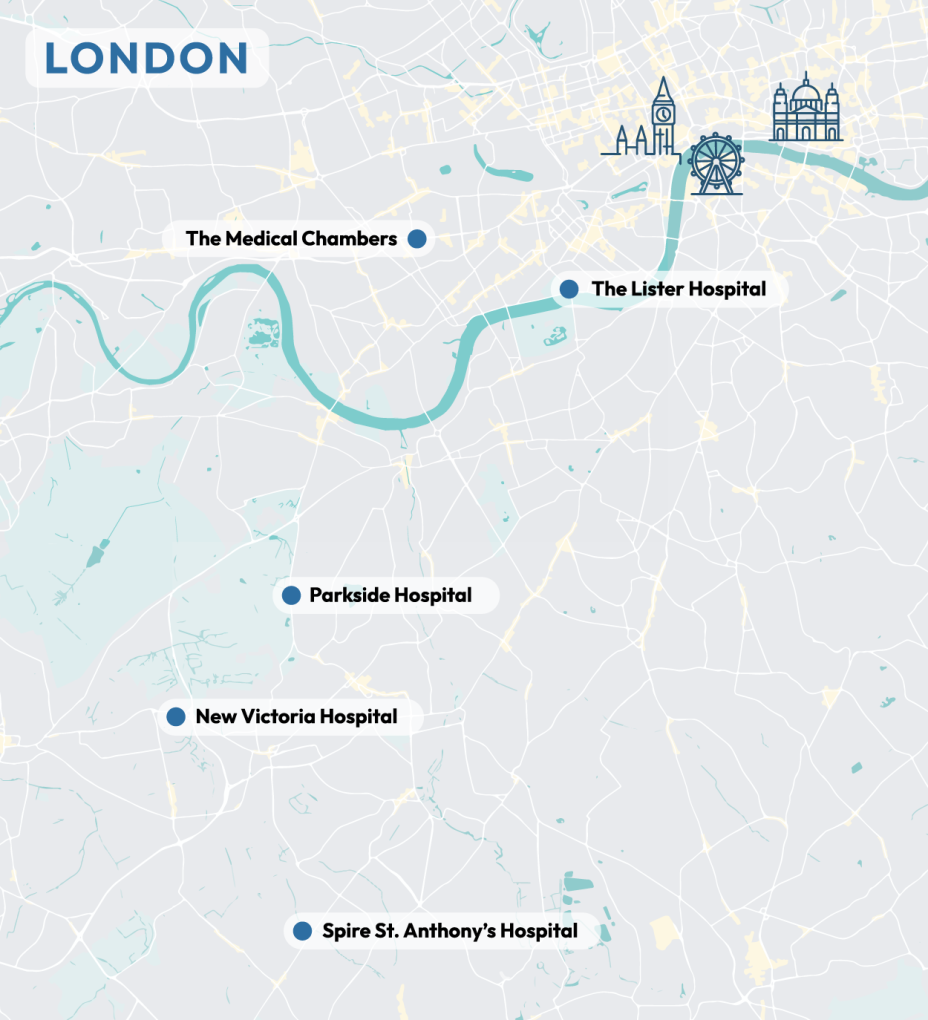
Our London Clinics

London Womens Centre Google Map
  • The Medical Chambers

    10 Knaresborough Pl,
    Kensington, London, SW5 0TG

    Map
  • The Lister Hospital

    Chelsea Bridge Road
    London, SW1W 8RH

    Map
  • Spire St. Anthony's Hospital

    801 London Road, North Cheam
    Sutton, Surrey, SM3 9DW

    Map
  • Parkside Hospital

    53 Parkside, London
    SW19 5NX

    Map
  • New Victoria Hospital

    184 Coombe Lane West
    Kingston upon Thames, KT2 7EG

    Map
Contact us

Opening Hours

London Women’s Centre

Open : Monday – Friday, 9am – 5pm

Appointment FAQ’s

Our Secretaries

Mr Panayi’s Secretary:

Amy Foskett-Jones

Tel: 07990781826

Fax: 0208 082 5560

amy@londonwomenscentre.co.uk

Mr Athanasias’ Secretary:

Angela Hughes

Tel: 07731522542

Fax: 0203 725 9935

angela@londonwomenscentre.co.uk

We'd love to hear from you

"*" indicates required fields

This field is for validation purposes and should be left unchanged.